
The marketing funnel is often described as a roadmap for turning prospects into customers. In practice, it’s a way to think more intentionally about how people move from awareness to action and what support they need at each step.
Understanding how each stage of the funnel works allows businesses to reach the right audience with the right message at the right time. When campaigns align with funnel stages, marketing efforts tend to perform more efficiently.
In this blog, we’ll walk through each stage of the marketing funnel and share practical examples and key points that connect strategy to results.
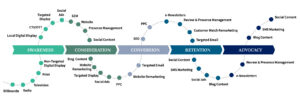
Stage 1: Awareness
Why it matters:
The awareness stage sets the foundation for everything that follows. If the right audience doesn’t know your brand exists, later-stage tactics have less to work with. Strong awareness efforts focus on reach, relevance and credibility within the markets that matter most. Read here on how to use audience segmentation for better advertising.
This stage plays a key role in filling the funnel and establishing familiarity. Consistent exposure in trusted environments helps brands earn attention early and supports stronger performance in later stages.
Examples in practice:
- Running display and video ads across local news and community sites to introduce a brand within a specific market.
- Using broadcast or streaming TV to build reach among households during high-viewership moments.
- Placing print ads in trusted newspapers or niche publications to reinforce credibility.
- Sponsoring local content that aligns the brand with topics audiences already care about.
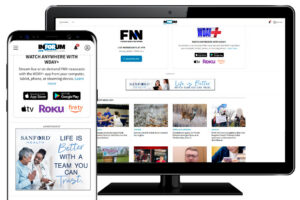
Reaching the right people early depends on being present across the platforms they use most, which is why precision targeting and audience-based placement matter. We explore this approach in more detail in our article on how to follow your audience anywhere with precision advertising.
Key points:
- Focuses on reach and visibility in priority markets
- Introduces the brand in environments audiences already trust
- Supports future engagement and consideration efforts
Forum Communications supports awareness through digital, broadcast and print advertising designed to maximize reach while maintaining credibility. Local market expertise and owned network reach help businesses capture attention where it counts.
Stage 2: Consideration
Why it matters
Consideration is where awareness turns into active evaluation. Prospects begin seeking more information, forming opinions and comparing options. This stage blends early engagement with deeper research, making it critical for shaping perception and trust.
Customer research plays an important role here. Understanding what influences decisions allows messaging to speak to real needs rather than assumptions. Our article on how market research drives growth for financial brands outlines this in more detail.
Examples in practice
- Publishing branded blog content that explains services or answers common questions
- Using short-form video to show how a product or service fits into real-life scenarios
- Delivering targeted digital ads that expand on messages first seen during awareness
- Serving retargeted ads to users who previously engaged with content or visited a website
- Highlighting testimonials or case studies within digital or print placements
- Using sponsored articles to provide deeper detail around solutions or differentiators

You can read more about how to create high-quality content to drive traffic here.
Key points
- Builds understanding and relevance after initial exposure
- Supports comparison and evaluation
- Reinforces credibility and differentiation
- Keeps brands visible during active research
Forum Communications supports consideration through content creation, video production, targeted digital advertising and strategic print placements. These efforts help businesses stay present without overwhelming the audience.
Stage 3: Conversion

Conversion is where intent turns into action. Whether the goal is a purchase, form submission or inquiry, this stage relies on clarity, consistency and ease. Strong conversion strategies reduce friction and reinforce confidence.
Alignment with earlier messaging is key. When the experience feels seamless, prospects are more likely to follow through.
Examples in practice
- Driving traffic to focused landing pages with a single clear call to action
- Using email or digital follow-ups after prior engagement to prompt next steps
- Coordinating offers across digital, print and broadcast for consistent messaging
- Testing placement and messaging performance to improve response rates
Key points
- Focuses on action and response
- Relies on clear calls to action and consistency
- Benefits from integrated media and measurable tactics
Forum Communications supports conversion through integrated campaigns that align creative, placement and performance tracking. Measurement allows for adjustments that improve efficiency and results over time.
Stage 4: Retention
Why it matters
Retention protects and extends the value of customer acquisition. Maintaining relationships with existing customers supports repeat business, strengthens trust and reduces reliance on constant acquisition.
This stage keeps brands relevant after the initial conversion and creates more opportunities for long-term engagement.
Examples in practice
- Sending email newsletters with updates, tips or relevant content
- Using digital campaigns to stay visible to past customers
- Promoting new offerings or reminders based on prior behavior
- Sharing useful content that reinforces brand value over time
Key points
- Supports repeat engagement
- Reinforces brand familiarity and trust
- Increases lifetime value
Even with strong retention efforts, some customers disengage over time. Retargeting helps reintroduce your brand to past customers who may still have interest but need a reminder or new reason to return. We outline this approach in our article on how to retarget lost customers.
Forum Communications supports retention through ongoing digital and content strategies informed by audience insights. These efforts help businesses stay connected well beyond the first conversion.
Stage 5: Advocacy
Why it matters
Advocacy turns satisfied customers into brand supporters. When customers share experiences, leave reviews or engage with your brand publicly, they influence others in ways traditional advertising can’t replicate.
This stage amplifies the impact of every stage before it by extending reach through trusted voices.

Examples in practice
- Encouraging reviews or testimonials through ongoing brand touchpoints
- Promoting community involvement or local partnerships through owned media
- Supporting social sharing with consistent messaging and visibility
- Highlighting customer stories across digital, print or broadcast
Key points
- Builds credibility through real customer experiences
- Extends reach organically
- Strengthens brand reputation
Forum Communications supports advocacy through multi-channel strategies that keep brands visible in the communities they serve. Audience insights help identify where and how advocacy efforts can have the greatest impact.
How we help you navigate the funnel
Each stage of the marketing funnel plays a role in driving results. Awareness builds visibility, consideration supports evaluation, conversion drives action, retention strengthens relationships and advocacy extends impact.
If you’re looking to build or refine a funnel-focused advertising strategy that aligns with your business goals, our team is ready to help start that conversation.
Forum Communications serves as a full-service partner, helping businesses plan and execute strategies that support every stage of the funnel. If you’re ready to take a more intentional approach to your advertising strategy, connect with us today!