
Before someone calls a roofing company, chooses a clinic, hires a financial advisor or schedules a consultation, they have likely already done some homework. They may have read reviews, asked friends for recommendations, searched online and looked for signs that the business is credible, dependable and familiar.
Trust is often established long before a consultation, appointment or estimate request. Businesses that understand how consumer trust is built can create stronger connections with potential customers throughout the decision-making process.
Trust is often built through four connected factors:
- Visibility before the need arises
- Credibility in the environment where a message appears
- Relevance to the consumer’s situation
- Consistency across channels over time
Together, these factors help shape how consumers perceive a business before they’re ready to make a decision.
Why trust matters more in high-stakes decisions
Some purchasing decisions carry greater financial, personal or emotional impact than others.
Consumers may live with the outcome of these decisions for years, which naturally leads them to be more cautious when evaluating their options.
Healthcare providers, home service companies, financial professionals, legal firms and other local service businesses often compete in categories where consumers place significant value on credibility.

Before reaching out, consumers often consider:
- Reviews and ratings
- Recommendations from friends and family
- Professional expertise
- Community reputation
- Perceived reliability
In many cases, consumers choose the person or business they feel most comfortable with rather than simply selecting the lowest-priced option.
This is why trust has become such an important differentiator. Businesses that establish credibility early are often better positioned when consumers begin actively comparing options.
Trust-building content can take many forms. A home services company might explain when to repair versus replace. A healthcare provider might answer common appointment questions. A financial professional might share planning considerations for different life stages. A legal firm might explain what to expect before a consultation. The goal is not to push for an immediate sale, but to help people feel more informed and confident.
Trusted local media environments can support that credibility by helping businesses maintain a visible presence within their communities and alongside content consumers already rely on for information.
Why businesses need to show up before customers actively shop
Most consumers don’t make important decisions immediately. They spend time researching, gathering information and narrowing their options before taking action. By the time they request an estimate, schedule an appointment or submit a contact form, they may already have a shortlist of businesses in mind.
This creates a challenge for organizations that focus their marketing efforts only when they need leads.
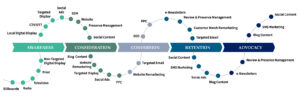
Businesses that maintain visibility earlier in the decision-making process can benefit by:
- Increasing awareness before demand exists
- Remaining part of the consideration set
- Building familiarity during the research phase
- Staying top of mind when a need arises
This early visibility helps businesses become familiar before consumers actively begin comparing options. Local media partnerships can support that visibility through ongoing advertising, educational content, sponsored articles, newsletters and other opportunities that keep businesses connected to local audiences over time.
Visibility creates familiarity before consumers are actively shopping.
Why the environment where a message appears affects perception
Building consumer trust isn’t only about being visible. It’s also about providing information that helps consumers feel more confident in their decisions.
When researching important purchases or services, consumers often look for information that helps them evaluate their options. They may read reviews, seek recommendations, compare providers and consume content that answers their questions before reaching out.
This is especially important for businesses operating in trust-driven industries.
Consumers increasingly value information that helps them make informed decisions. Educational content, expert insights and helpful resources can create stronger engagement because they provide value before asking for a commitment.
Businesses can strengthen credibility by:
- Sharing expertise and industry knowledge
- Answering common consumer questions
- Providing useful information
- Helping consumers make more informed decisions
Why educational content can build credibility before the sales conversation
Sponsored content, native articles and educational resources can be especially useful for trust-driven businesses because they provide space to answer real consumer questions. Unlike a short advertisement, this type of content allows a business to explain its expertise, clarify common concerns and help readers understand what to consider before making a decision.
For consumers, helpful content can reduce uncertainty. For businesses, it creates an opportunity to be useful before asking for a call, appointment or purchase.
Local news organizations continue to serve as trusted sources of information within many communities. Advertising and educational content that appear within these environments can benefit from the trust audiences already place in those platforms.
Credibility grows when helpful information appears in environments consumers already trust.
Why relevance makes messaging more useful and less generic

Consumers expect information that reflects their needs, interests and circumstances.
Generic messaging often struggles to connect because it fails to address what matters most to the audience receiving it.
Relevant communication demonstrates understanding. It shows that a business recognizes the challenges consumers face and can provide solutions that fit their specific situation.
Effective marketing focuses on reaching the right audience rather than the largest audience.
Businesses can improve relevance by considering factors such as:
- Geographic location
- Consumer interests
- Purchasing behaviors
- Service needs
- Community-specific concerns
As privacy expectations continue to evolve, first-party data and audience insights have become increasingly valuable. These insights help businesses better understand local audiences and deliver messaging that feels timely, useful and meaningful.
When consumers encounter information that aligns with their needs, engagement and consumers trust often follow more naturally. You can learn more about how to follow your audience anywhere with precision advertising.
Relevant messaging demonstrates an understanding of consumers’ needs instead of relying on generic promotions.
Why consistency across channels keeps a business top of mind
Trust is reinforced through a series of interactions over time.
Consumers move between search engines, social media platforms, websites, streaming services, email and local news sources throughout their decision-making journey. They may encounter a business multiple times before deciding to take action.

Consistent messaging across these touchpoints helps create:
- Stronger brand recognition
- Improved recall
- Greater confidence
- A more connected customer experience
- Clear expectations
Businesses that maintain a consistent presence are more likely to be remembered when consumers are ready to make a decision. Learn more about how to improve your performance with consistent messaging.
Integrated marketing strategies can help support this consistency by ensuring messaging remains aligned across the channels consumers use every day. A connected approach helps reinforce trust and credibility while creating a more seamless customer experience throughout the decision-making process.
Consistency reinforces trust because consumers often encounter a business multiple times before making a decision.
Trust is built long before a customer reaches out
Trust has become one of the most valuable assets for healthcare providers, home service companies, financial professionals, and other local service businesses.
Consumers are looking for reassurance before making important decisions. They want confidence that a business understands their needs, delivers quality service, and has earned a positive reputation within the community.
Building that confidence requires:
- Visibility before consumers are ready to buy
- Credible environments that support brand perception
- Relevant messaging that reflects audience needs
- Consistent communication across channels
Looking for ways to build stronger local visibility?
Forum Communications Advertising helps businesses connect with local audiences through trusted media environments, first-party audience insights, audience targeting, and multi-channel marketing strategies. Through local news platforms, sponsored content, digital advertising, streaming media, email marketing, social media advertising, and other integrated solutions, businesses can engage consumers throughout the decision-making process.
By combining trust, relevant audience reach, and consistent messaging, businesses can build stronger relationships with consumers before critical decisions are made. Connect with our team to explore audience first marketing strategies.