
For many dealerships, marketing naturally focuses on selling vehicles. New inventory arrivals, financing offers and seasonal sales events provide clear opportunities to attract shoppers and generate leads.
But the customer relationship doesn’t end when someone drives off the lot.
Every service appointment, maintenance visit and parts purchase creates another opportunity to strengthen customer relationships, reinforce trust and generate recurring revenue. Those interactions influence where customers return for service, who they trust with future repairs and which dealership they’ll consider when it’s time to purchase another vehicle.
Service and parts marketing helps dealerships protect customer relationships between vehicle purchases, increase repeat service visits and create more opportunities to reconnect with owners before they return to the market.
For dealerships looking to improve long-term performance, the service department deserves a larger role in the overall marketing strategy.

The risk of focusing only on vehicle sales
To understand why service and parts are often underrepresented in dealership marketing, it helps to look at why vehicle sales receive so much customer attention in the first place.
Vehicle sales provide some of the most immediate and visible opportunities for growth. A new model arrival, limited-time financing offer or seasonal sales event gives dealerships a clear message to promote and a specific action for customers to take.
As a result, much of the marketing budget is directed toward attracting shoppers who are actively looking for a vehicle.
Those campaigns remain essential, but they focus on only one stage of the customer relationship.
After the sale, communication often slows until the customer begins shopping again several years later. During that time, independent repair shops, tire retailers and competing dealerships have opportunities to earn service visits and begin building relationships of their own.
The goal isn’t to choose between vehicle sales and service marketing. It’s to build a strategy that supports both.
Why service and parts create long-term business value

Unlike vehicle sales, service and parts create opportunities to connect with customers again and again throughout the ownership experience.
Drivers return for:
- Oil changes
- Tire rotations and replacements
- Brake service
- Battery replacement
- Warranty work
- Seasonal maintenance
- Multi-point inspections
- Parts and accessories
Every visit reinforces the dealership’s expertise, customer service and convenience.
For example, a customer who schedules routine maintenance every six months becomes familiar with the dealership’s service advisors, technicians and processes. Over time, those positive experiences build confidence and trust that extend beyond the service department.
When it’s time to purchase another vehicle, that existing relationship often gives the dealership an advantage over competitors.
Service and parts don’t simply generate recurring revenue. They help strengthen customer loyalty throughout the entire ownership journey.
Why marketing should continue after the sale

Winning a vehicle sale requires significant time, effort and advertising investment. Staying connected afterward helps protect that investment.
Without ongoing communication, customers can easily forget about the dealership between service visits or begin exploring other repair options simply because they’re more visible.
That doesn’t mean every message needs to promote a discount or service special.
Some of the most effective communication simply helps customers care for their vehicles.
For example:
- A reminder about tire rotations before a long summer road trip
- Winter battery and coolant tips before temperatures drop
- Educational content explaining dashboard warning lights
- Service reminders based on recommended maintenance intervals
- Advice that helps owners maintain their vehicle’s long-term value
These types of messages provide value whether or not the customer schedules service immediately.
Over time, consistent communication positions the dealership as a trusted resource throughout the ownership experience, not just the place where the vehicle was purchased.
Why audience targeting improves parts & service marketing
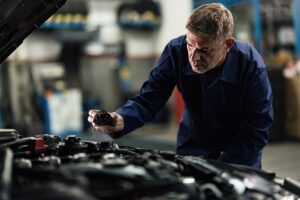
Not every customer needs the same message at the same time.
Someone who purchased new tires last month doesn’t need another tire promotion. A customer whose lease ends in six months has different needs than someone who recently purchased a certified pre-owned vehicle. Likewise, a driver who hasn’t visited the service department in more than a year may benefit from a completely different message than someone who schedules routine maintenance.
Audience targeting allows dealerships to move beyond one-size-fits-all marketing.
Using first-party data and customer insights, dealerships can build campaigns around factors such as:
- Previous service history
- Vehicle ownership
- Warranty status
- Time since the last appointment
- Seasonal maintenance needs
- Geographic location
For example, a dealership might send winter maintenance reminders to owners of older vehicles while promoting complimentary inspections to customers who haven’t scheduled service recently. Customers nearing the end of a lease could receive messaging focused on vehicle trade-in opportunities alongside recommended maintenance before lease return.
Instead of sending one broad campaign to every customer, dealerships can reconnect with specific audiences using messages that are more timely, useful and likely to generate action.
Why service marketing should be consistent, not just promotional
Increasing the number of service advertisements doesn’t automatically increase service appointments.
If customers repeatedly see the same generic oil change promotion, it eventually blends into the background. Frequency can build familiarity, but only when the message continues to provide value or reflects what customers currently need.
A stronger strategy combines thoughtful messaging with consistent visibility throughout the ownership experience.
For example, a dealership might:
- Use display advertising to promote seasonal maintenance services.
- Share educational service tips through social media.
- Send personalized email reminders based on previous service visits.
- Appear in Google Search when customers are actively looking for repairs.
- Publish sponsored content and educational articles that answer common vehicle maintenance questions, helping build credibility while reaching customers in trusted local news environments.
Each interaction serves a different purpose. Display and search advertising help dealerships stay visible when customers are ready to take action, while sponsored content and educational resources provide value between service visits. Together, these touchpoints reinforce the dealership’s expertise and customer service, keeping the service department top of mind.
The goal isn’t simply to appear more often. It’s to be remembered when customers need service.
Why integrated marketing supports the entire dealership

Sales, parts and service may have different immediate goals, but they all contribute to the same customer relationship.
The strongest dealership marketing strategies recognize that every customer interaction builds on the one before it.
Consider a customer who purchased an SUV two years ago. They first see a seasonal maintenance advertisement while reading local news. A few days later, they receive an email reminding them their recommended service is approaching. They notice a social media post highlighting online scheduling, then search for the dealership after hearing an unusual brake noise.
None of those touchpoints work alone.
Together, they create a consistent experience that makes the dealership easier to remember and easier to choose.
Each marketing channel plays a different role:
- Display advertising keeps the dealership visible throughout the community.
- Email marketing delivers personalized maintenance reminders and service offers.
- Social media highlights technician expertise, seasonal promotions and dealership updates.
- Search marketing helps customers find the dealership when they’re actively looking for repairs or maintenance.
- Local media reinforces credibility by placing dealership messaging in trusted environments.
- First-party data and audience targeting help dealerships reconnect with customers based on ownership history and service needs.
Rather than separating sales marketing from service marketing, dealerships can build a year-round strategy that supports customers before, during and long after the initial purchase.
Driving it all together
Selling a vehicle is an important milestone, but it shouldn’t be the end of the relationship.
Every maintenance reminder, service appointment and parts purchase creates another opportunity to strengthen customer relationships, reinforce trust and encourage future business.
Dealerships that invest in service and parts marketing aren’t simply filling service bays. They’re building familiarity, loyalty and long-term customer value that can support both recurring service revenue and future vehicle sales.
At Forum Communications Advertising, we help dealerships build integrated marketing strategies that connect with customers throughout the entire ownership journey. By combining first-party audience insights, audience targeting, display advertising, email, search, social media and trusted local media, we help dealerships keep both their showroom and service department top of mind all year long.